

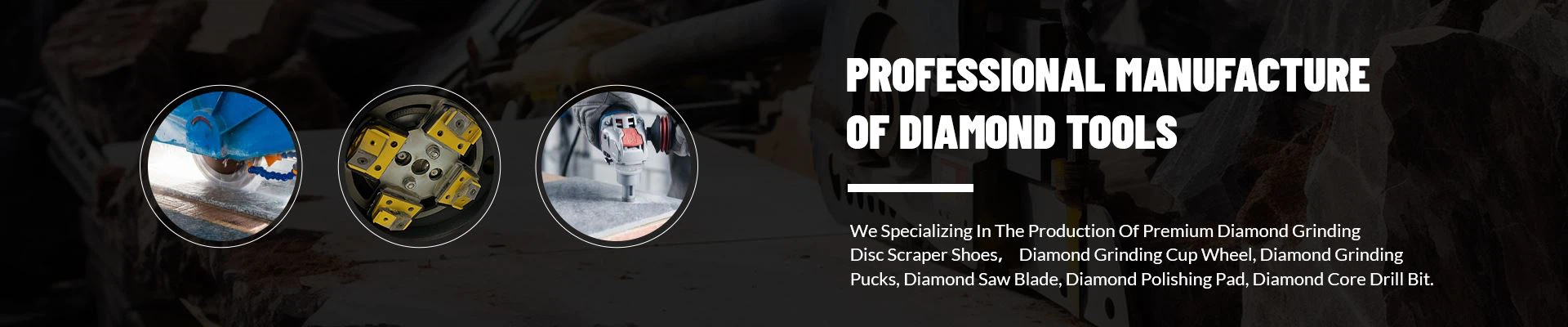



What Is Diamond Grinding Tools
Diamond Grinding tools is a widely used surface preparation technique, capable of producing the smooth, flat, ‘swirl free’ finishes required for the application of thin coatings and sealers. It is also used for basic surface leveling and abrading but material removal rates will be modest. Handheld diamond grinding systems are ideal for finishing small and inaccessible areas. Walk-behind diamond floor grinders are used to deliver higher productivity on larger areas and for the creation of flatter surfaces.
Advantages of Diamond Grinding Tools
Enhanced durability
One of the most significant advantages is its superior durability. Unlike traditional grinding wheels, which wear out quickly, diamond abrasives are made of industrial-grade diamond and are known for their hardness and elasticity. This superior durability extends the life of the wheels, reducing the frequency of replacements and downtime, optimizing productivity and cost-effectiveness.
Precision and consistency
In manufacturing, precision is non-negotiable, especially in industries where even the slightest deviation can compromise the integrity of the final product. Diamond abrasives offer unmatched precision and consistency in material removal. Its sharp cutting edge remains sharp over time, ensuring uniformity of surface finish and dimensional accuracy with each grind.
Increase productivity
In manufacturing, time is money, and any opportunity to streamline processes and increase productivity is priceless. Diamond abrasives are facilitated for high-speed grinding operations due to their excellent heat dissipation properties and reduced friction. This means faster material removal rates and shorter cycle times, ultimately increasing yield and maximizing yield without sacrificing quality.
Diamond abrasives are versatile
Versatility is the hallmark of diamond abrasives, meeting the needs of a wide range of materials and applications. Whether grinding hard metals, ceramics or composites, diamond abrasives demonstrate exceptional versatility and can be seamlessly adapted to different material properties and machining requirements. This versatility minimizes the need to change wheels multiple times, simplifies set-up and enhances operational flexibility.
Environmental sustainability
At a time when sustainability is a pressing issue, diamond abrasives offer an environmentally friendly alternative to traditional grinding wheels. They have a long lifespan, reduce abrasive consumption and minimize waste generation, helping to build a more sustainable manufacturing ecosystem. In addition, the efficiency gains associated with diamond abrasives reduce energy consumption and carbon emissions, in line with green manufacturing initiatives.


Why Choose Us
Experienced
Our manufacturing facility has more than 20 years of experience in the industry, and diamond tools for cutting, grinding, concrete, stone and tile drilling are all within our supply.
After-Sale Service
We attach great importance to the beneficiaries of our customers. We provide pre-sale, in-sale and after-sales service.
High Quality
We take pride in the craftsmanship of our products and ensure that each one meets our strict standards for quality.
Professional Team
We have strong technical support capabilities, so we can develop specific products according to customers' requirements
Types of Diamond Grinding Tools


Concrete grinding wheel for angle grinder
This type of diamond grinding wheel is designed for use with an angle grinder and is commonly used for grinding concrete and other masonry materials. The wheel typically has a turbo segment design which allows for faster grinding and a smoother finish.
Professional diamond grinding cup wheel
This type of diamond grinding wheel is designed for use with concrete floor grinders and is ideal for surface preparation, grinding concrete, and other masonry materials. It has a segmented design that helps to remove materials quickly and evenly.
Coating removal diamond cup wheel
This type of diamond grinding wheel is specifically designed for removing coatings and surface contaminants from concrete and other masonry surfaces. It has a high concentration of diamond particles and a aggressive grinding action, making it ideal for tough coating removal jobs.
Trapezoid grinding plate
This grinding tool is used for aggressive grinding of concrete surfaces. It has a trapezoid shape that allows it to fit into tight spaces and corners. It can be used on handheld grinders and floor machines.
Pcd coating removal plate
The pcd (polycrystalline diamond) coating removal plate is a specialized diamond grinding tool that is designed for removing tough coatings, such as adhesives and paint, from concrete and other masonry surfaces. The pcd particles are highly durable and wear-resistant, making them ideal for tough coating removal applications.
Professional diamond floor grinding plate
This type of diamond grinding plate is designed for use with floor grinders and is ideal for grinding concrete, marble, and other stone surfaces. It has a segmented design that helps to evenly grind the surface and achieve a smooth finish.
Diamond plug
The diamond plug is a small, circular diamond grinding tool that is used for grinding and shaping hard materials, such as ceramics, stone, and concrete. It typically has a threaded center, allowing it to be attached to a grinding tool or machine.
Adapter plate
The adapter plate is a metal plate that is used to attach diamond grinding tools to a floor grinder. The plate typically has a threaded or quick-release mechanism, allowing for easy attachment and detachment of the grinding tools.
Bond strength
The bond strength of a diamond grinding tool determines how well it holds the diamond abrasive particles in place. The stronger the bonding force, the better the fixation effect of the diamond particles, thereby extending the service life of the grinding wheel.
Diamond particle size
The size of the diamond particles on the grinding wheel affects the quality of the grind. Larger diamond particles are usually used for rough grinding, while smaller diamond particles are used for fine grinding.
Concentration
The concentration of diamond particles on the grinding wheel affects grinding speed and efficiency. The higher the concentration of diamond particles, the faster the grinding speed, but the cost of the grinding wheel is also higher.
Machine compatibility
Different diamond grinding tools are designed for use on specific types of machines. It is important to choose a diamond grinding tool that is compatible with the machine you will be using.
Workpiece material
The workpiece material to be ground affects the choice of diamond grinding tool. Different materials require different binders, diamond particle sizes and concentrations for optimal results.
Safety
When using diamond abrasive tools, always follow the manufacturer's safety recommendations. This may include wearing personal protective equipment (such as safety glasses) and following proper mounting and balancing procedures.
Quality
Choose a reputable diamond grinding tool brand to ensure the product is of high quality and performs as expected.
Characteristics of Diamond Grinding Tools
The choice of grinding tool material depends on the hardness of the material being grinded. Options include aluminum oxide, silicon carbide, ceramic, diamond and cubic boron nitride. Grinding wheels made of diamond and cubic boron nitride are called superabrasives, while grinding wheels made of aluminum oxide, silicon carbide or ceramic particles are classified as regular abrasives.
Particle size determines the average physical size of the abrasive particles. Larger grain sizes result in faster cuts but may produce a rough finish, while ultra-fine grain sizes are ideal for achieving polished surfaces.
The grade of the grinding wheel affects the bonding strength of the fixed abrasive. It has a general effect on grinding parameters including grinding wheel speed, coolant flow, feed rate and grinding depth.
The grain spacing is related to the arrangement of abrasive grains in the grinding wheel structure and determines the ratio of abrasive to air gap. Lower density grinding wheels cut harder and produce a rougher surface finish, while denser grinding wheels provide a finer finish.
The grinding wheel bond characterizes how the grinding wheel retains abrasive grains and profoundly affects the quality of the finish, coolant usage and allowable wheel speed.
Application of Diamond Grinding Tools
Industrial use
In addition to fine jewelry, diamond abrasives are most commonly used in the industrial sector. Diamond abrasives are very hard (10 on the mohs scale), making them ideal for polishing, cutting, and drilling. Diamond saws and drill bits are used in many industries, including automotive, mining, and military. By adding small diamond particles, the drill bit and saw edge can be strengthened to cut hard materials.
Beauty and cosmetics
Even in the cosmetics industry, where diamond abrasives exfoliators and facial care are common, diamond abrasives are widely used. Diamond abrasives contain diamond abrasive powders or diamond abrasive crumbs that are believed to have anti-aging benefits. To eliminate free radicals and reduce wrinkles and fine lines, diamond abrasives can penetrate deep into the skin.
Drilling tools
Diamond abrasives are also associated with core drill bits and are used for drilling in fabrication, construction and engineering operations. In order to increase the power of the drills and saws used in the cutting process, tiny diamond abrasive particles are added to the equipment lubricant.
In a supercomputer
Due to its excellent thermal conductivity, diamond is used in electronics and computers. Diamond is a good heat sink that absorbs excess heat and prevents microelectronics from overheating due to its strong thermal resistance. The fabrication and application of diamond wires in the design of quantum supercomputers is currently the subject of extensive research. Information storage supercomputers also use diamond processors.
How to Choose the Right Diamond Abrasives

The type of material being cut
The composition and physical properties of composites vary greatly. When choosing a diamond abrasive, it is important to understand the stiffness and wear resistance of the material.

The geometry and size of the part
The shape and design of diamond abrasives depends on the geometry and size of the part being cut or machined. It is important to choose the right tool for the task.

Material removal rate
In order to achieve the highest possible MRR (Material Removal Rate), it is important to select the right sand and diamond application. Plating and vacuum brazed diamond abrasives are recommended for machining composites, but they are not interchangeable. Understanding the difference between these two options is important to make informed tool decisions.
How to Maintain Diamond Grinding Tools
Clean
Clean your diamond abrasives regularly to remove any debris or build-up that may affect their performance. You can use a soft brush or air compressor to blow off any debris.
Stockpile
Store diamond abrasives in a cool, dry place, away from direct sunlight and extreme temperatures. This will help prevent damage to adhesives and abrasive particles.
Check for damage
Regularly inspect diamond abrasives for signs of damage, such as cracks, chips, or lack of abrasive particles. If any damage is found, replace the grinding wheel immediately to prevent further damage to the machine or workpiece.
Balance
Before use, make sure that the diamond abrasives are properly balanced. Unbalanced grinding wheels can cause vibrations and can damage the machine and workpiece.
Reshape
If the diamond grains on the grinding wheel wear out or become rounded, you can reshape the grinding wheel by exposing new diamond grains. You can do this by using a dressing tool to remove a small amount of adhesive and expose new abrasive grains.
Use it correctly
Follow the manufacturer's recommendations for proper use of diamond abrasives, including recommended speeds and feed rates. Overloading the wheel or using it at too high a speed can damage the wheel and shorten its service life.
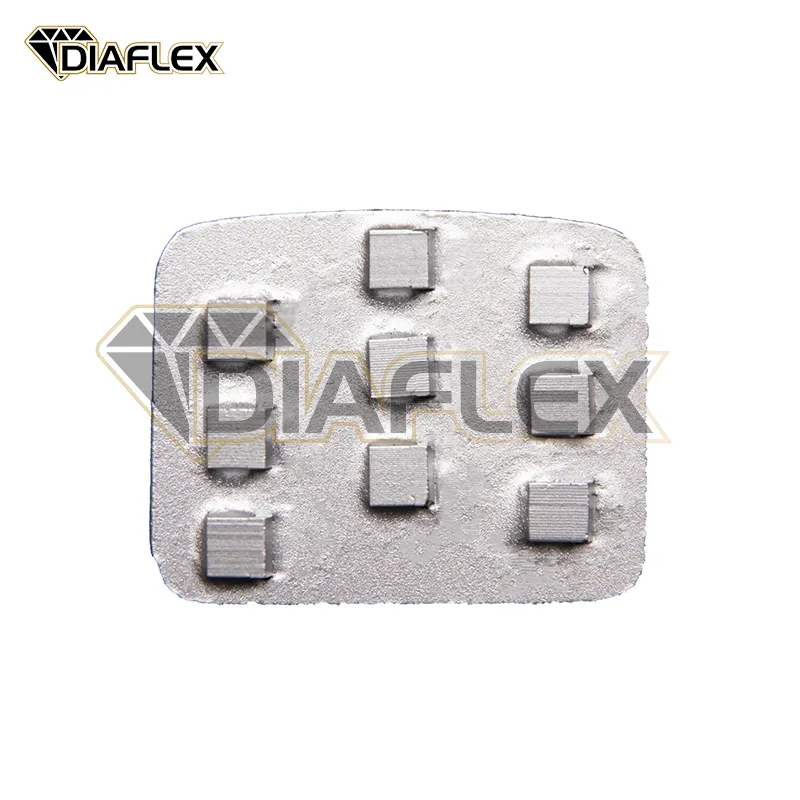
Diamond grinding tools wheels are typically crafted from materials such as aluminium oxide, silicon carbide, cubic boron nitride, and diamond. These wheels are composed of coarse particles that are compressed and bonded together by a cementing matrix known as a bond. This bonding process results in the formation of solid circular shapes for various types of grinding wheels, with profiles and cross-sections tailored to specific applications.
The choice of materials for grinding wheel construction varies depending on the intended use. These wheels are commonly manufactured from solid steel and aluminium steel, with particles bonding through processes akin to the natural composite stones used in millstones.
Diaflex is a new and active company, we're a team of passionate diamond tooling experts who are dedicated to providing high-quality products to our customers, and our manufacturing factory has more than 20 years of experience in this industry, Diamond tools of Cutting, Grinding, Drilling with concrete, stone, and tile are all in the scope of our supply. Our products have a high reputation in the top-level market of USA.
We have supplied our products to global customers with our strong supply chain management & quality control system and enjoyed high fame among the industry giants.
OEM and ODM are both available. we have strong power on technical support so that we can develop specific items according to the requests from our customers. And of course, quality guarantee is an important part of our daily work, we think highly of our customers' beneficiaries. We provide service before, during, and after-sales.
Free samples can be delivered to your company within 5 to 7 working days if you need a test.
Come and contact us freely!

FAQ
We're professional diamond grinding tools manufacturers and suppliers in China, specialized in providing high quality custom service. We warmly welcome you to wholesale diamond grinding tools made in China here from our factory.
diamond blade for fabrication, tile finisher tools, diamond blade for organic materials cutting