

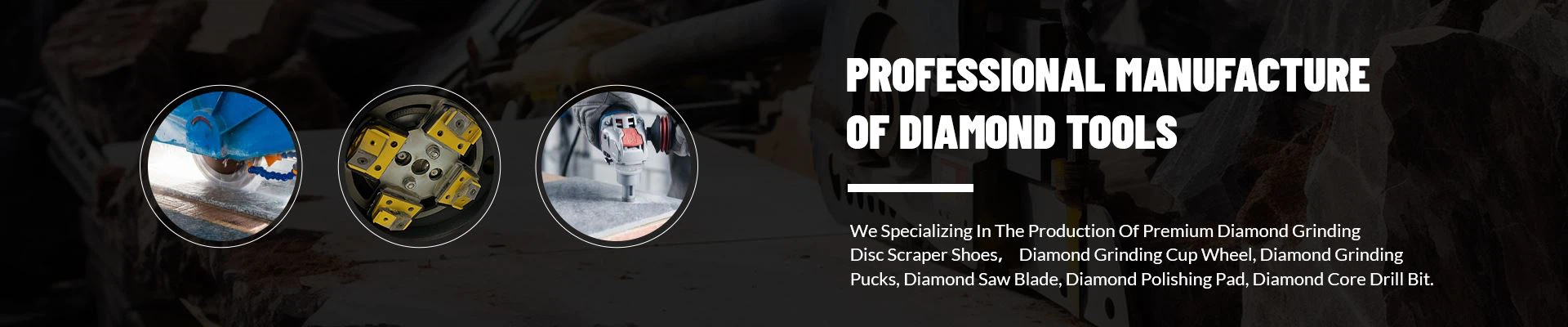



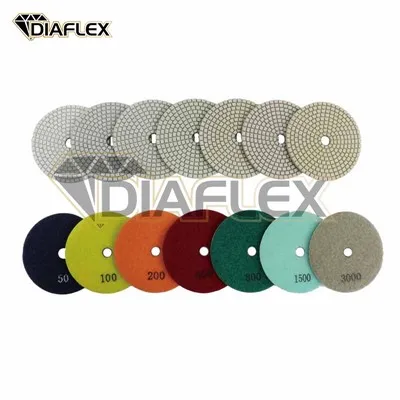
What Is Polishing Pad
Diamond polishing pads come in various sizes and shapes to polish stone or concrete to achieve a smooth, glass-like finish on surfaces, such as marble, granite, terrazzo, concrete, limestone, or sandstone. They're most commonly made of diamonds with resin, copper, ceramic, and other synthetic materials. Some pads are meant for manual use while others attach to power tools.
These pads consist of industrial diamonds bonded with resin, copper, ceramic, and other synthetic materials designed to achieve a smooth, glass-like finish. They are available in different grits, ranging from the lowest to the highest, to cater to specific polishing needs.
Advantages of Polishing Pad
Efficient material removal
One of the main advantages of polishing pads is their ability to remove material quickly and efficiently. Coarse grit cuts powerfully and is ideal for removing deep scratches, stains, and blemishes from a variety of surfaces including granite, concrete, marble, and stone.
Versatility
Polishing pads are versatile and can be used for wet or dry polishing. Whether you're working on a small DIY project or a large professional job, these polishing pads handle a variety of materials and surfaces with ease.
Durability
These polishing pads are made from high-quality diamond powder impregnated with resin to ensure durability and longevity. Synthetic diamond made specifically for phenolic resin extends tool life so you get consistent results over a longer period of time.
Easy to use
The polishing pad comes with a Velcro backing, making it easy to attach and remove from the polisher. This convenience saves time and energy, allowing you to focus on the polishing process.
Professional grade
Polishing pads are designed for professional use and meet the highest industry standards. Whether you're a seasoned professional or a DIY enthusiast, its professional-grade construction ensures optimal performance.


Why Choose Us
Experienced
Our manufacturing facility has more than 20 years of experience in the industry, and diamond tools for cutting, grinding, concrete, stone and tile drilling are all within our supply.
After-Sale Service
We attach great importance to the beneficiaries of our customers. We provide pre-sale, in-sale and after-sales service.
High Quality
We take pride in the craftsmanship of our products and ensure that each one meets our strict standards for quality.
Professional Team
We have strong technical support capabilities, so we can develop specific products according to customers' requirements
Types of Polishing Pad



- Stone Polishing Pad:
Classified by Working Condition
- Wet Polishing Pads: Wet polishing pads are the most commonly used type of stone polishing pads. They are made from high-quality diamond resin attached to a velcro backing. These pads work best with water and are used in combination with a wet polisher.
- Dry Polishing Pads: Dry polishing pads are similar to wet polishing pads, but they are designed for use without water. Made from a dense diamond abrasive, they allow for high-speed polishing without water. These pads are typically used on small, intricate areas and should not be used for large surfaces.
Classified by Bond Material
- Resin Bond Polishing Pads: Resin bond polishing pads are ideal for polishing stone surfaces that require a high level of shine. Made from high-quality diamond abrasive held together with a resin bond, these pads are typically used after the initial grinding stage to achieve a mirror-like finish.
- Metal Bond Polishing Pads: Metal bond polishing pads are used for the initial stages of stone polishing. Made from metal and available in a range of grits, they allow for coarse to fine polishing, making them perfect for removing scratches and other imperfections from the stone surface.
Classified by Application
- Marble Polishing Pads: Marble polishing pads are highly effective for restoring the shine and luster to marble surfaces. These pads are designed to be used with a floor buffer or a handheld polisher and come in various grits and sizes to accommodate different project needs.
- Granite Polishing Pads: Granite polishing pads are used to achieve an incredibly smooth and shiny surface on granite. They are effective tools for homeowners, contractors, and suppliers who want to enhance the beauty and shine of granite countertops, floors, and other surfaces. These pads are designed to be used with polishing machines to refine the granite surface and give it a smooth, shiny finish
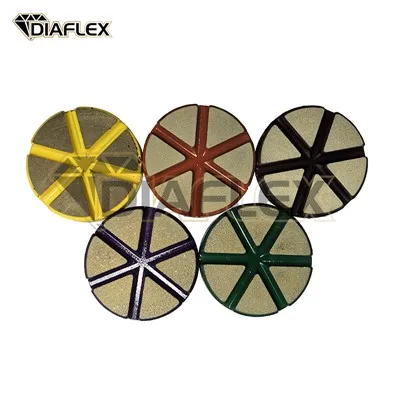
- Concrete Polishing Pad
Classified by Working Condition
- Dry Polishing Pads: These pads are designed for dry applications and are ideal for situations where water is not readily available or if you prefer a dry polishing process. They offer excellent durability and are known for their ability to produce a high-quality finish.
- Wet Polishing Pads: Wet polishing pads are specifically designed for wet applications. They are used in conjunction with water to reduce dust and heat generated during the polishing process. These pads are highly effective in achieving a smooth and glossy finish on concrete surfaces.
Classified by Bond Material
- Hybrid Polishing Pads: Hybrid pads combine the best features of both dry and wet pads. They can be used in both dry and wet applications, offering versatility and convenience. Hybrid pads are known for their exceptional performance and are a popular choice among professionals.
- Resin Pads: Resin pads are designed to provide a high level of shine and clarity to concrete surfaces. They are typically used in the final stages of the polishing process to achieve a mirror-like finish. Resin pads are known for their durability and long lifespan.
- Sponge Pads: Sponge pads are soft and flexible, making them ideal for polishing curved or uneven surfaces. They are commonly used for edge polishing and are great for achieving a smooth and uniform finish.
Classified by Application
- 3 Inch Polishing Pucks: These small-sized pads are perfect for polishing tight or hard-to-reach areas. They are generally used for spot polishing or for working on smaller concrete surfaces.
- 17 Inch Polishing Pads: These larger-sized pads are suitable for polishing larger areas, such as floors or countertops. They cover more surface area, allowing for faster and more efficient polishing.

Tips for Using Polishing Pads
Suitable equipment
Make sure you have the right equipment for the job. For best performance, use a grinder or polisher with a recommended rpm .
Wet and dry use
Polishing pads can be used wet or dry. When used wet, apply water to the polishing surface to reduce heat and extend the life of the polishing pad. When using dry, make sure the surface is clean and free of dust or debris.
Optimal pressure
When polishing the pad, apply consistent and even pressure. Avoid applying excessive pressure as this can damage the polished surface.
Work in sections
Divide the surface into manageable sections and work on one section at a time. This allows for better control and ensures each part gets the same amount of polish.
Progressive grit
Start with a polishing pad and gradually transition to higher grit for a smoother surface. This progressive approach ensures a more refined and polished surface.
Cleaning and maintenance
Clean your polishing pad thoroughly after each use to remove any residue or debris. Proper maintenance ensures the longevity of your polishing pad and maintains its effectiveness.
Safety precautions
Always wear protective clothing, gloves, and goggles when using diamond polishing pads. Follow all safety guidelines provided by the manufacturer to prevent accidents or injuries.
How to Maintain Polishing Pad
Clean the pads
After each use, make sure to clean the diamond polishing pads thoroughly. Use a soft brush or compressed air to remove any debris or residue from the pads. This will prevent the buildup of material that can affect their performance.
Pad rotation
Rotate the polishing pads during extended polishing sessions to distribute wear evenly and prevent premature deterioration.
Store properly
Store the diamond polishing pads in a clean and dry environment when they won't be used in a short time. Avoid placing heavy objects on top of them to prevent any damage or distortion.
Avoid Excessive Heat
Diamond polishing pads are sensitive to high temperatures. Avoid exposing them to excessive heat, as it can cause the resin bond to deteriorate. Store them away from direct sunlight and any heat sources.
Inspect for Damage
Inspect the polishing pads regularly and replace them when they show signs of wear, such as fraying edges, loss of shape, or reduced effectiveness. Replace any damaged pads immediately to avoid compromising the quality of your polishing results.
Use Proper Technique
Proper technique is essential to prevent unnecessary wear and tear on the diamond polishing pads. Follow the recommended RPM and pressure guidelines provided by the manufacturer. Avoid excessive pressure or aggressive movements that could damage the pads.
Grit Size
The grit size of the diamond polishing pads determines the level of abrasiveness. Coarser grits, such as 50 or 100, are ideal for removing deep scratches and leveling uneven surfaces. Finer grits, like 800 or 1500, are used for achieving a high-gloss finish. Consider the condition of your concrete surface and the desired outcome when selecting the appropriate grit size.
Pad Hardness
The hardness of the diamond polishing pads should be matched to the hardness of the concrete. Softer pads are typically used for harder concrete, while harder pads are suitable for softer concrete. Using the wrong pad hardness can result in inefficient polishing or damage to the concrete surface.
Pad Design
Look for diamond polishing pads with an ideal channel design that effectively ejects slurry and prevents clogging. This will ensure a smoother and more efficient polishing process. Additionally, consider pads with a resin binder that offers a longer lifespan without glazing.
Pad Quality
The quality of the diamond polishing pads is crucial for achieving optimal results. Choose pads with a high diamond concentration for faster cutting and a swirl-free surface. Thin pads are more flexible and can easily adapt to flat surfaces and curved sinks. Thick pads, on the other hand, offer a longer lifespan.
Compatibility
Ensure that the diamond polishing pads you choose are compatible with your specific grinder or polishing machine. Check the specifications and recommendations provided by the manufacturer to ensure a proper fit.
Warranty
You may want a diamond polishing pad with a warranty included by the manufacturer. This may help guarantee the quality of the polishing pads and protect you if the product is faulty.
Safety Precautions When Using the Polishing Pad
Personal protective equipment (ppe)
Wear appropriate ppe, including safety glasses, gloves, and a dust mask, to shield yourself from debris, chemicals, and airborne particles.
Work in a well-ventilated area
Ensure that the workspace is adequately ventilated, especially when working with chemicals or generating dust during the polishing process.
Use the correct speed and pressure
Follow the recommendations given along with our polishing pads for the optimal speed and pressure settings. Applying excessive pressure or using high speeds can lead to surface damage or pad disintegration.
Test in a small area
Testing the pads, polish, speed, and pressure is very important before the polishing process. Before proceeding with large-scale polishing, test the chosen pad and polish combination in a small, inconspicuous area to ensure compatibility and achieve the desired results.

To achieve a high-gloss, polished surface, it is crucial not to skip any steps in the polishing process. Starting with a low grit pad, such as 50 or 100, and gradually progressing to higher grits, such as 200, 400, 800, 1,000, 1,500, and even 3,000, ensures the removal of saw marks and scratches while creating a shiny, glassy finish.
When using diamond polishing pads, it is important to attach them to a variable speed wet/dry grinder and secure the work surface properly to prevent slipping. The pads should be used in a left-to-right motion at a low speed of less than 1,000 RPM.
Diamond polishing pads offer versatility, fast cutting, and a quality finish. Their thin, flexible design allows for honing both flat surfaces and curved sinks with ease. The ideal channel design of these pads helps eject slurry and prevent clogging, reducing premature pad wear and scratches.
Prepare the tools
Start by purchasing a quality diamond polishing pads set and a backing pad. Attach the backing pad to a variable speed wet/dry grinder.
Secure the work surface
Ensure that the work surface is properly secured and will not slip during the polishing process.
Progress to higher grit pads
Switch to the 100 grit pad and repeat the same process. At the end of this step, there should be no visible saw marks or scratches. Continue progressing through the 200, 400, 800, 1,000, and 1,500 grit pads, ensuring a smooth and shiny surface.
Finish with a fine grit pad
Finish the process with a 1,500 grit pad. At this point, you should see a shiny, glassy finish on the surface.
By following these steps and using high-quality diamond polishing pads, you can achieve a smooth, glass-like finish on concrete surfaces. Don't forget to maintain and care for your diamond polishing pads to extend their lifespan and ensure optimal performance.

Diaflex is a new and active company, we're a team of passionate diamond tooling experts who are dedicated to providing high-quality products to our customers, and our manufacturing factory has more than 20 years of experience in this industry, Diamond tools of Cutting, Grinding, Drilling with concrete, stone, and tile are all in the scope of our supply. Our products have a high reputation in the top-level market of USA.
We have supplied our products to global customers with our strong supply chain management & quality control system and enjoyed high fame among the industry giants.
OEM and ODM are both available. we have strong power on technical support so that we can develop specific items according to the requests from our customers. And of course, quality guarantee is an important part of our daily work, we think highly of our customers' beneficiaries. We provide service before, during, and after-sales.
Free samples can be delivered to your company within 5 to 7 working days if you need a test.
Come and contact us freely!

FAQ
We're professional polishing pad manufacturers and suppliers in China, specialized in providing high quality custom service. We warmly welcome you to wholesale polishing pad made in China here from our factory.