

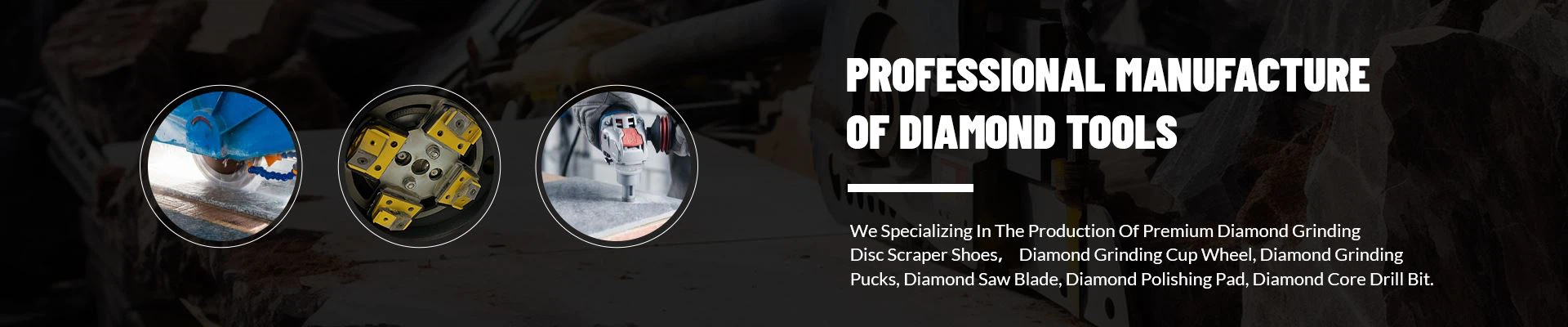



What Is Diamond Blade
A diamond blade is composed of a core or body of high precision steel with a mix of metal powder, diamond segments, and a resin bond that keeps it all together. The sizes and thus the hardness of the diamonds is designed with different concentrations, depending on the kind of blade, or in other words, depending on the material that it will cut. As diamond blades professional manufacturers, we finish the product by putting it through a specific thermic process that makes it highly resistant and durable.
Advantages of Diamond Blade
They are exceptionally robust
Diamonds are among the strongest materials you can work with and are also the hardest substance on earth. They can give tools constructed of them this toughness, enabling them to last a very long time before needing to be replaced. The diamonds in these tools will continue to be strong and sharp for a very long period, even when used in severely abrasive environments.
They do excellent concrete cutting
Diamonds are excellent cutting tools because of their exceptional hardness in cured concrete. The method primarily uses a diamond as a cutting tool, grinding the line into the concrete rather than cutting it into two pieces. Depending on the grit of the diamonds you're using, this procedure creates a very smooth cut that enhances the finished appearance of the concrete.
They contribute to time and resource savings
Diamond-tipped saw blades are very helpful for reducing the time it takes to complete a job and the money it costs to replace instruments that might be of poor quality because of their high precision and durability. In addition, diamond-tipped saw blades require significantly less replacement than those made of any other material since they don't deteriorate as quickly.
Durability
Diamond Blades are extremely durable compared to other types of concrete cutting blades on the market. The diamond blade is made using a circular steel disk with segments on the outer edge;these segments are made from a combination of diamonds and metal bond powder. They are fused under high pressure and heat. This process not only makes the blade efficient but also very durable.
Comfortable to use
Cutting concrete with a Diamond Blade results in cuts with far less chipping and breakages. The blade will produce less noise compared to other types of cutting blades.It will also evacuate the slurry and minimise dust generation during the cutting process.


Why Choose Us
Experienced
Our manufacturing facility has more than 20 years of experience in the industry, and diamond tools for cutting, grinding, concrete, stone and tile drilling are all within our supply.
After-Sale Service
We attach great importance to the beneficiaries of our customers. We provide pre-sale, in-sale and after-sales service.
High Quality
We take pride in the craftsmanship of our products and ensure that each one meets our strict standards for quality.
Professional Team
We have strong technical support capabilities, so we can develop specific products according to customers' requirements
Types of Diamond Blade
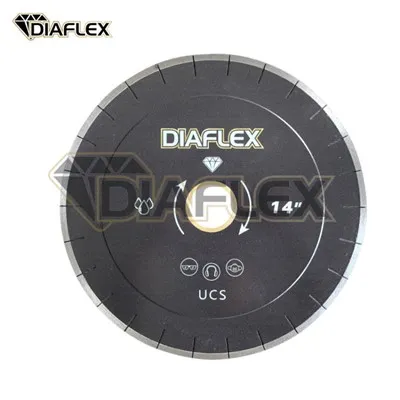

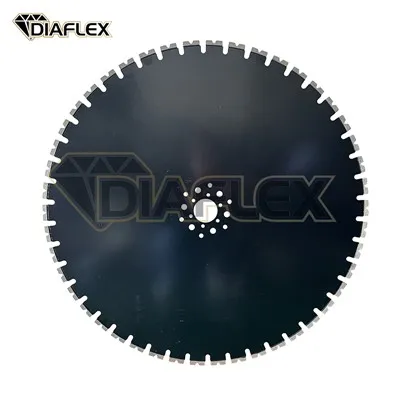

Segmented blades
Segmented blades or dry cutting blades typically have medium to hard bonding. While these blades can provide a relatively smooth cut at a high cutting speed, chipping is still a possibility. In comparison to other blades, they are sturdy and have a long blade life. Segmented blades are ideally suited for slicing marble and granite slabs, as well as concrete, asphalt, brick, block, and other construction materials. They are available in a wide range of diameters, from small to large, and they dominate the market for diameters of 12" and larger. Masonry saws, concrete saws, and circular saws are all frequent uses for these blades.
Turbo rim blades
Blades with turbo rim are designed to cut faster in wet and dry conditions. In addition to the smaller segments on the rim, an integrated diamond matrix interweaves to prevent overheating of the blade. Through the turbo rim's smaller turbo segments, air passes through and cools the blade. There are also several tiny holes scattered throughout the blade. Most manufacturers use this method to increase the cooling capabilities of their blades. Due to the turbo segments pushing the material out, this blade cuts faster. Materials such as concrete, brick, and limestone are effectively cut by this blade.
Continuous rim blades
Continuous rim blades have softer bonding, making them ideal for cutting dense materials like tile, porcelain, granite, stone, glass, and other easily chipped materials. Individual segments are not present on these blades; instead, the rim or edge is solid and continuous. Most of these blades are specifically made for wet cutting applications, resulting in the cleanest, chip-free cuts possible.
Precise cutting of concrete for slabs, floors, and walls
One of the most common applications of diamond blades is in cutting through concrete. In the construction industry, diamond blades are frequently used to create straight lines or curves in concrete slabs, floors, and walls. The precise cuts they create make them an indispensable tool for contractors who need to create clean edges for architectural elements such as concrete pillars, retaining walls, and foundations.
Cutting bricks, masonry, and other hard materials in construction and renovation projects
DiCutting bricks, masonry, and other hard materials in construction and renovation projects
Diamond blades are also commonly used in the masonry and brick industries. These industries
Maintaining and repairing roads and highways through asphalt cutting
Amond blades are also commonly used in the masonry and brick industries. These industries rely on diamond blades to make precise cuts in bricks, pavers, masonry, and other hard materials. Masonry professionals use diamond blades to create precise cuts for masonry joints and to cut large blocks of stone to specific dimensions. They are also used in the creation of brick facades, chimneys, and fireplaces.
Maintaining and repairing roads and highways through asphalt cutting
Diamond blades are also used in the construction and maintenance of roads and highways. They are used to cut through asphalt to create clean cuts for road work and to make repairs to damaged asphalt surfaces. Asphalt diamond blade segments are designed to have a long life while cutting the extremely abrasive material that asphalt it -which would eat up a concrete blade quickly.
Porcelain and Ceramic Tile
Diamond blades are the industry standard for precisely cutting and shaping ceramic tiles, porcelain tiles, and other hard materials. Their clean cuts enable seamless fitting around obstacles like pipes and electrical outlets, ensuring flawless tile installations.
Glasswork
From intricate stained glass art to precision-cut architectural panels, diamond blades offer unmatched control and accuracy when shaping and cutting glass. They deliver smooth, clean edges without chipping or cracking, crucial for both artistic expression and structural integrity.
Jewelry-Making and Gem-Cutting
The delicate task of shaping precious stones demands the utmost precision. Lapidary diamond blades, chosen for their ability to cut intricate details without damaging the gemstone, are invaluable tools for creating exquisite jewelry and breathtaking gems.
Medical Applications
While seemingly unexpected, diamond blades play a vital role in the medical field. Their controlled cutting capabilities are harnessed in creating dental implants, surgical tools, and other specialized equipment requiring high precision and minimal material damage.

Install the diamond blade correctly on the machine, making sure that the directional arrow on the blade matches the arbor rotation on the saw.
Always use properly adjusted blade guards when operating saws.
Always wear proper Personal Protective Equipment -eye, hearing, respiratory, gloves, feet and body.
Always comply with OSHA regulations by using approved dust control measures (supply water to the saw).
When wet cutting, ensure that there is adequate water supply. Insufficient water supply can lead to blade overheating and failure of the segment or core.
If using a high-speed saw, do not make long continuous cuts with a dry diamond blade. Periodically remove the blade from the cut for a few seconds and allow it to cool.
Never force a diamond blade into the workpiece. Allow the diamond to cut at its own speed. If cutting particularly hard or deep material, “step cut" by cutting 1" at a time.
Do not allow the diamond blade to cut through the concrete or asphalt into the “sub base" material, as this will result in excessive wear and failure of the blade.
Never use a damaged blade or a blade that exhibits excessive vibration.
While most saws get the job done by cutting through materials, diamond blades are designed to “cut” by grinding. Diamond blades are composed of diamond bits with a metal core. Diamond blades are created by bonding a diamond segmented rim and steel core that is durable enough to remain intact while grinding against hard surfaces and materials. This bonding mixture is found on the outer layers of your diamond blade to hold the diamonds in place while it grinds and cuts materials.
The better the quality of the diamond, the longer the diamonds will be able to maintain their abrasive shape over time, maintaining its heat resistance. The exposed diamond crystals bonded to the diamond blade grind against materials, passing through them to produce a clean, straight cut. As you use your diamond blade, the consistent agitation and abrasion that comes from grinding will begin to wear out the outer layer of diamonds. The grinding exposes the diamond bits underneath which are just as abrasive and perfect for grinding. The newly exposed diamond bits will continue to create perfect, clean cuts. Once all of the exposed diamond crystals have been completely ground off the rim, the diamond blade will no longer grind and will need to be replaced. The diamond blade you choose will be determined by the type of material you are cutting.

How to Maintain Diamond Blade
Cleanliness is Key
After each use, make it a habit to remove any accumulated debris from the blade. Resin, concrete, and other materials can compromise the blade's effectiveness and lead to overheating.For stubborn residues, use a solvent recommended by the blade manufacturer. Ensure the blade is completely dry before storage to prevent corrosion.
Protecting the Blade's Core
Excessive heat can damage the bond holding the diamond segments. To prevent overheating, periodically pause during cutting to allow the blade to cool.If the blade is designed for wet cutting, ensure a constant water supply to cool and lubricate the blade. Dry cutting blades may benefit from intermittent lubrication to reduce friction.
Storing Blades Safely
Store diamond blades vertically to prevent warping or damage to the blade's core. This also helps maintain the blade's shape over time.When not in use, protect your diamond blades with covers. This safeguards them from external elements and minimizes the risk of accidental damage.
Recognizing Signs of Wear
Regularly inspect diamond segments for signs of wear, such as a reduction in height. Worn-out segments may result in slower cutting speeds and reduced precision.Examine the steel core for cracks or warping. A damaged core compromises the blade's structural integrity and safety.
Blade Rotation and Flipping
Periodically rotate the blade on the saw to ensure even wear on all segments. This extends the overall lifespan of the blade.For blades with a double-sided design, flipping the blade can provide a fresh set of diamond segments, maximizing usability.
Time for Replacement
Don't push a blade beyond its recommended lifespan. If cutting efficiency diminishes despite proper maintenance, it's time for a replacement.Consider retiring blades with excessive wear, damaged cores, or signs of fatigue. Using a compromised blade poses risks to both the user and the tool.

Diamond blades don't actually ‘cut' through working materials. Instead, these blades use friction to grind down hard materials and create a clean edge. The friction is created between the diamond fragments and bonding material that meets the cutting material. One thing to keep in mind while selecting and using diamond blades is the hardness of your working material. A softer bonding substance is ideal for cutting harder stones and surfaces. The softer bonding wears away to expose more diamond fragments. On the other hand, you should select a diamond blade with a harder bond when cutting softer materials. These diamonds will be exposed and intact longer than a harder cutting material.
Precautions for Using a Diamond Blade
DO: Check the aggregate type before cutting concrete
‘Aggregate' refers to the particles that are combined with the concrete to give it strength. Some aggregate types are harder than others. The most common materials used are crushed stone, gravel, recycled concrete, sand, slag, and geosynthetics (man-made). Once you know the aggregate composition, you can pick the best concrete cutting blade for the job.
DON'T: Allow the blade to overheat
An overheated diamond blade ages prematurely and can crack. If you are running a dry blade, make sure you pause occasionally to allow it to cool down. Otherwise, for a wet job, make sure you have enough coolant (such as clean, cold water). Even when running a wet blade, you may need to allow it to run freely every 10 seconds or so to allow air to cool it down.
DON'T: Use a blade designed for a low-horsepower saw on a high-horsepower saw
In this scenario, the diamond blade will wear out much more quickly than it would normally. On the other hand, it's a bad idea to use a high-horsepower blade on a low-horsepower saw because the blade may damage the material or itself.
DON'T: Allow untrained saw operators to use diamond blades
An experienced saw operator knows how to use a diamond cutting blade so that it's most effective. Besides properly matching the blade to the job (and the saw), a well-trained operator knows how and when to ‘dress the blade' (exposing new diamonds by cutting something abrasive).
DON'T: Neglect saw maintenance
Besides the saw's operation, its maintenance is also a factor in prolonging the life of a diamond blade. Although all parts are important, it's particularly crucial to check the saw's drive belts, bearings, spindle, water jet flow, and water pump. If you're unsure which parts your saw is need of, our parts specialists can help.
Diaflex is a new and active company, we're a team of passionate diamond tooling experts who are dedicated to providing high-quality products to our customers, and our manufacturing factory has more than 20 years of experience in this industry, Diamond tools of Cutting, Grinding, Drilling with concrete, stone, and tile are all in the scope of our supply. Our products have a high reputation in the top-level market of USA.
We have supplied our products to global customers with our strong supply chain management & quality control system and enjoyed high fame among the industry giants.
OEM and ODM are both available. we have strong power on technical support so that we can develop specific items according to the requests from our customers. And of course, quality guarantee is an important part of our daily work, we think highly of our customers' beneficiaries. We provide service before, during, and after-sales.
Free samples can be delivered to your company within 5 to 7 working days if you need a test.
Come and contact us freely!

FAQ
We're professional diamond blade manufacturers and suppliers in China, specialized in providing high quality custom service. We warmly welcome you to wholesale diamond blade made in China here from our factory.