

Are PCD grinding shoes suitable for wet grinding?
Dec 10, 2025
Leave a message
As a supplier of PCD grinding shoes, I've received numerous inquiries regarding their suitability for wet grinding. This topic is crucial as the choice between wet and dry grinding can significantly impact the efficiency, quality, and cost - effectiveness of a grinding operation. In this blog, I'll delve into the factors that determine whether PCD grinding shoes are suitable for wet grinding, backed by scientific knowledge and practical experience.
How PCD Grinding Shoes Work
Before discussing wet grinding, it's essential to understand the basic working principle of PCD (Polycrystalline Diamond) grinding shoes. PCD is a synthetic material composed of diamond particles bonded together under high pressure and high temperature. These grinding shoes are designed to abrade and smooth various surfaces, especially concrete. The sharp diamond particles on the surface of the shoes cut into the material, removing small chips and creating a smooth finish.
Advantages of Wet Grinding
Wet grinding has several well - known advantages. Firstly, it helps to control dust. When grinding concrete, a large amount of dust is generated, which can be harmful to the health of workers if inhaled. By using water during the grinding process, the dust is suppressed, creating a safer working environment. For more information on related grinding tools, you can visit Concrete Grinding Stone.
Secondly, wet grinding can improve the cooling of the grinding tools. As the PCD grinding shoes work on the surface, friction generates heat. Excessive heat can cause the diamond particles to lose their sharpness and even damage the bonding material. Water acts as a coolant, reducing the temperature of the grinding shoes and extending their lifespan.
Another benefit is that wet grinding can enhance the quality of the finished surface. The water helps to flush away the debris generated during grinding, preventing it from being re - ground and potentially scratching the surface. This results in a smoother and more consistent finish.
Suitability of PCD Grinding Shoes for Wet Grinding
PCD grinding shoes are generally well - suited for wet grinding. The diamond particles in PCD are highly resistant to wear, even in a wet environment. The water used in wet grinding does not corrode the diamond or the bonding material, ensuring the long - term performance of the grinding shoes.
However, there are a few factors to consider. The type of bonding material used in the PCD grinding shoes can affect their performance in wet grinding. Some bonding materials may be more prone to water absorption, which could lead to a weakening of the bond between the diamond particles and the base. As a supplier, we carefully select bonding materials that are resistant to water and can maintain their integrity during wet grinding.
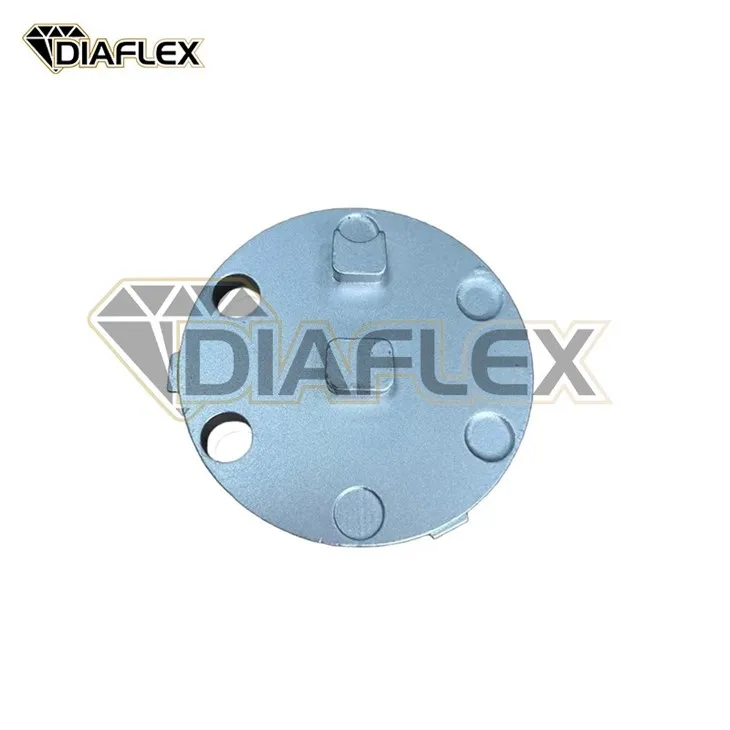
The design of the grinding shoes also plays a role. The channels and grooves on the surface of the shoes are crucial for water flow. Properly designed channels allow the water to reach all parts of the grinding surface, effectively cooling the shoes and flushing away debris. Our Floor Grinder Shoes are designed with optimized channels to ensure efficient wet grinding.
Performance in Different Wet Grinding Conditions
The performance of PCD grinding shoes in wet grinding can vary depending on the specific conditions. For example, the hardness of the concrete being ground is an important factor. Harder concrete requires more aggressive grinding, and the PCD grinding shoes need to be able to withstand the higher forces. In wet grinding, the water can help to reduce the friction and make the grinding process more efficient, even on hard concrete.
The water pressure and flow rate also matter. Insufficient water flow may not effectively cool the grinding shoes or suppress the dust, while excessive water pressure can cause the water to splash, creating a messy work area. We recommend adjusting the water pressure and flow rate according to the size and type of the grinding machine and the specific requirements of the job.
Application Areas for Wet Grinding with PCD Grinding Shoes
PCD grinding shoes are widely used in various applications where wet grinding is preferred. In the construction industry, they are used for grinding concrete floors in commercial buildings, warehouses, and factories. The smooth finish achieved through wet grinding is ideal for these spaces, as it provides a clean and professional look.

In the renovation of old buildings, wet grinding with PCD grinding shoes can be used to remove old coatings and level uneven surfaces. The dust - free environment created by wet grinding is especially important in occupied buildings, where minimizing disruption to the occupants is crucial. For more details on suitable grinding shoes for these applications, you can visit Diamond Grinding Shoes for Concrete.
Cost - effectiveness of Wet Grinding with PCD Grinding Shoes
When considering the cost - effectiveness of wet grinding with PCD grinding shoes, several factors come into play. Although the initial investment in PCD grinding shoes may be higher compared to some other types of grinding tools, their longer lifespan due to reduced wear in wet grinding can offset the cost in the long run.
The savings in terms of health and safety are also significant. By reducing dust exposure, companies can avoid potential health - related costs such as medical expenses and workers' compensation claims. Additionally, the improved quality of the finished surface can lead to fewer re - work requirements, saving both time and money.
Conclusion
In conclusion, PCD grinding shoes are generally suitable for wet grinding. They offer numerous advantages, including dust control, cooling, and improved surface quality. However, careful consideration of factors such as bonding material, design, and operating conditions is necessary to ensure optimal performance.
If you are in the market for high - quality PCD grinding shoes for wet grinding applications, I encourage you to reach out to us for further discussion. Our team of experts can provide you with detailed information and help you choose the most suitable products for your specific needs. Let's start a conversation to find the best grinding solutions for your projects.
References
- "Diamond Grinding Tools: Technology and Applications" by John Smith
- "Concrete Surface Preparation: Best Practices" by Jane Doe