

What is the noise level when using a diamond saw blade?
Oct 29, 2025
Leave a message
What is the noise level when using a diamond saw blade?
As a dedicated supplier of diamond saw blades, I've received numerous inquiries regarding the noise levels associated with using our products. Understanding the noise generated during operation is crucial for users, not only from a comfort perspective but also in terms of safety and compliance with workplace regulations. In this blog post, I'll delve into the factors influencing the noise level of diamond saw blades, provide some typical noise level ranges, and offer tips on minimizing noise.
Factors Affecting the Noise Level of Diamond Saw Blades
The noise produced when using a diamond saw blade is influenced by several factors, each playing a significant role in determining the overall sound intensity.
Blade Design
The design of the diamond saw blade is a primary factor affecting noise levels. Blades with different segment shapes, such as continuous rim, segmented, or turbo blades, produce varying amounts of noise. For instance, continuous rim blades tend to generate less noise compared to segmented blades because they have a smoother cutting action. The segments on segmented blades can cause more vibration and impact as they come into contact with the material, resulting in higher noise levels.
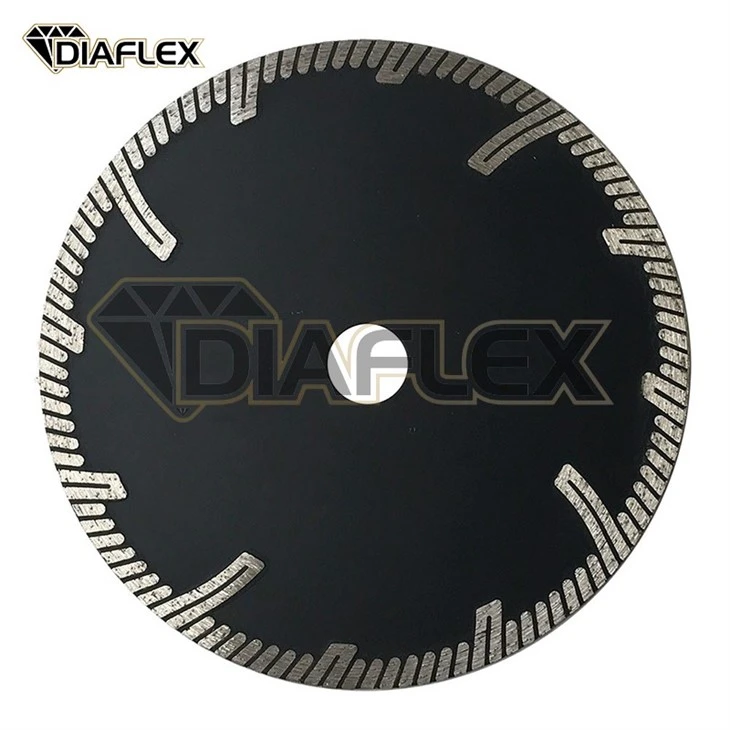
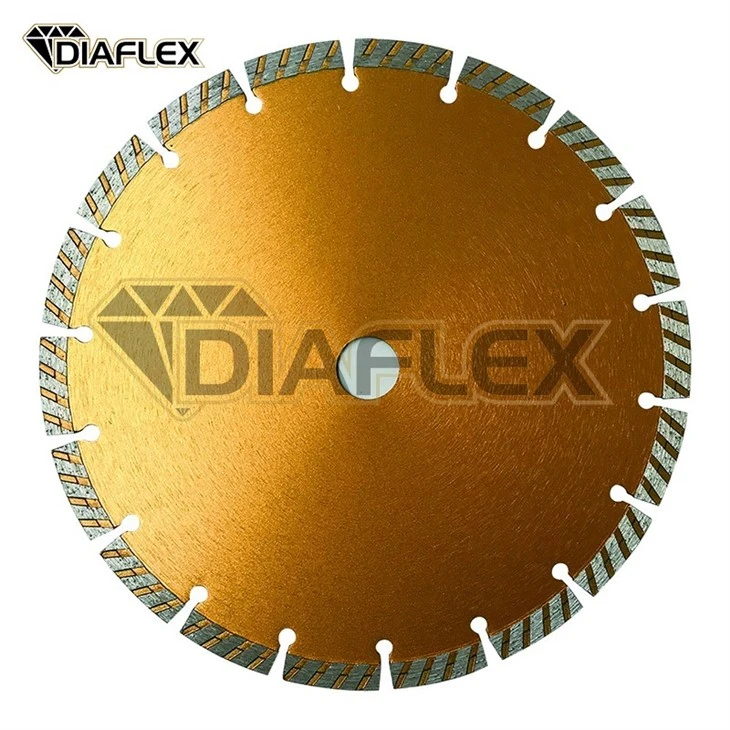
Our Diamond Blade for Angle Grinder features a unique design that minimizes vibration and noise. The carefully engineered segment shape and spacing ensure a more efficient and quieter cutting process, making it an ideal choice for applications where noise reduction is a priority.
Material Being Cut
The type of material being cut also has a significant impact on the noise level. Harder materials, such as concrete, granite, and ceramic, generally produce more noise than softer materials like wood or plastic. This is because the diamond particles on the blade have to work harder to cut through the dense and abrasive materials, resulting in increased friction and vibration.
When cutting hard materials, it's important to choose a diamond saw blade that is specifically designed for the task. Our Hot Pressed MG Turbo Blade is engineered to handle the toughest cutting jobs with minimal noise. The high-quality diamond grit and advanced manufacturing process ensure a smooth and efficient cutting performance, even when working with the hardest materials.
Cutting Speed and Feed Rate
The cutting speed and feed rate also play a crucial role in determining the noise level. Operating the saw at a high speed or applying too much pressure can cause the blade to vibrate excessively, resulting in increased noise. On the other hand, cutting too slowly or applying too little pressure can cause the blade to bind or stall, which can also lead to higher noise levels.
To minimize noise, it's important to operate the saw at the recommended cutting speed and feed rate for the specific blade and material being used. Our product manuals provide detailed guidelines on the optimal cutting parameters for each of our diamond saw blades, ensuring a quiet and efficient cutting process.
Saw Equipment and Condition
The quality and condition of the saw equipment can also affect the noise level. A poorly maintained saw or one that is not properly calibrated can cause the blade to vibrate and produce more noise. Additionally, using a saw with a low-quality motor or a worn-out drive belt can also contribute to increased noise levels.
Regular maintenance and inspection of the saw equipment are essential to ensure optimal performance and minimize noise. This includes checking the blade for wear and damage, lubricating the moving parts, and ensuring that the saw is properly aligned. Our team of experts can provide guidance on the proper maintenance and care of your saw equipment to ensure a quiet and reliable cutting experience.
Typical Noise Level Ranges
The noise level generated when using a diamond saw blade can vary depending on the factors mentioned above. In general, the noise level can range from around 80 decibels (dB) to over 100 dB. To put this into perspective, a normal conversation typically has a noise level of around 60 dB, while a lawnmower can produce noise levels of up to 90 dB.
Exposure to noise levels above 85 dB for an extended period of time can cause hearing damage. Therefore, it's important to take appropriate measures to protect your hearing when using a diamond saw blade. This includes wearing earplugs or earmuffs and limiting your exposure to high noise levels.
Tips for Minimizing Noise
Here are some tips to help minimize the noise level when using a diamond saw blade:
Choose the Right Blade
As mentioned earlier, the design of the blade can have a significant impact on the noise level. Choose a blade that is specifically designed for the material you are cutting and that has a low noise design. Our Hot Pressed Sharp Segmented AG Blade is a great option for cutting a variety of materials with minimal noise.
Use the Correct Cutting Parameters
Operating the saw at the recommended cutting speed and feed rate can help minimize vibration and noise. Refer to the product manual for the specific blade you are using to determine the optimal cutting parameters.
Maintain Your Equipment
Regular maintenance and inspection of your saw equipment are essential to ensure optimal performance and minimize noise. This includes checking the blade for wear and damage, lubricating the moving parts, and ensuring that the saw is properly aligned.
Use Noise-Reducing Accessories
There are several noise-reducing accessories available that can help minimize the noise level when using a diamond saw blade. These include blade guards, mufflers, and vibration-dampening pads. Consider using these accessories to reduce the noise level and improve your cutting experience.
Work in a Well-Ventilated Area
Working in a well-ventilated area can help reduce the noise level by allowing the sound to dissipate more easily. Additionally, proper ventilation can help remove dust and fumes from the air, which can also improve your overall health and safety.
Conclusion
In conclusion, the noise level when using a diamond saw blade is influenced by several factors, including blade design, material being cut, cutting speed and feed rate, and saw equipment and condition. By understanding these factors and taking appropriate measures to minimize noise, you can ensure a quiet and efficient cutting experience.
At our company, we are committed to providing high-quality diamond saw blades that are designed to minimize noise and vibration. Our team of experts is available to provide guidance on the selection and use of our products to ensure optimal performance and customer satisfaction.
If you have any questions or would like to learn more about our diamond saw blades, please don't hesitate to contact us. We look forward to the opportunity to discuss your specific needs and provide you with the best solutions for your cutting applications.
References
- OSHA. (n.d.). Occupational Noise Exposure. Retrieved from https://www.osha.gov/noise-exposure
- ANSI. (2013). Safety Requirements for Portable Motor-Operated Electric Tools - Part 2: Particular Requirements for Sawing and Planing Machines. Standard ANSI/UL 62841-2-4.