

What is the minimum diameter of a diamond saw blade?
Oct 31, 2025
Leave a message
As a seasoned supplier of diamond saw blades, I've encountered numerous inquiries regarding the minimum diameter of these essential cutting tools. The minimum diameter of a diamond saw blade is a critical factor that impacts its performance, application, and suitability for various projects. In this blog post, I'll delve into the intricacies of determining the minimum diameter of a diamond saw blade, exploring the factors that influence it and the implications for different applications.
Understanding Diamond Saw Blades
Before we discuss the minimum diameter, let's briefly understand what diamond saw blades are and how they work. Diamond saw blades are cutting tools designed to cut through hard materials such as concrete, stone, asphalt, and ceramics. They are composed of a metal core with diamond segments attached to the outer edge. The diamonds, which are the hardest known natural material, provide the cutting edge, allowing the blade to slice through tough substances with precision and efficiency.
Diamond saw blades come in a variety of sizes, shapes, and configurations to suit different cutting applications. The diameter of a diamond saw blade refers to the measurement across the blade from one end to the other, passing through the center. It is an important parameter that determines the depth of cut and the type of equipment the blade can be used with.
Factors Influencing the Minimum Diameter
Several factors influence the minimum diameter of a diamond saw blade. These factors include the type of material being cut, the cutting equipment, the desired depth of cut, and the blade's design and construction.
Type of Material
The type of material being cut is one of the primary factors that determine the minimum diameter of a diamond saw blade. Different materials have different hardness levels and cutting requirements. For example, cutting through soft materials such as wood or plastic may require a smaller diameter blade, while cutting through hard materials such as granite or concrete may require a larger diameter blade.
Harder materials require more force to cut through, and a larger diameter blade provides more leverage and cutting power. Additionally, a larger blade can accommodate more diamond segments, which increases the cutting efficiency and reduces the wear on the blade.
Cutting Equipment
The type of cutting equipment being used also plays a crucial role in determining the minimum diameter of a diamond saw blade. Different cutting machines have different specifications and capabilities, and the blade diameter must be compatible with the equipment.
For example, handheld angle grinders typically have a maximum blade diameter of 4-1/2 inches to 9 inches. Using a blade with a diameter larger than the recommended size can be dangerous and may damage the equipment. On the other hand, larger stationary saws, such as table saws or bridge saws, can accommodate larger diameter blades, ranging from 12 inches to 36 inches or more.
Desired Depth of Cut
The desired depth of cut is another important factor to consider when determining the minimum diameter of a diamond saw blade. The depth of cut is the maximum thickness of the material that the blade can cut through in a single pass.
A larger diameter blade can cut deeper than a smaller diameter blade. For example, a 12-inch diameter blade can typically cut through materials up to 4 inches thick, while a 7-inch diameter blade can cut through materials up to 2-1/2 inches thick. Therefore, if you need to cut through thick materials, you will need a larger diameter blade.
Blade Design and Construction
The design and construction of the diamond saw blade also affect its minimum diameter. Blades with different segment designs, such as continuous rim, segmented, or turbo rim, have different cutting characteristics and performance capabilities.
Continuous rim blades are ideal for cutting through thin materials and provide a smooth, clean cut. They typically have a smaller diameter and are commonly used for applications such as tile cutting and glass cutting. Segmented blades, on the other hand, are designed for cutting through thick materials and provide a faster cutting speed. They have a larger diameter and are commonly used for applications such as concrete cutting and masonry work.
The blade's core thickness and the number and size of the diamond segments also play a role in determining the minimum diameter. A thicker core provides more stability and strength, allowing the blade to withstand higher cutting forces. Additionally, a larger number of diamond segments or larger diamond particles can increase the cutting efficiency and durability of the blade.
Minimum Diameter for Different Applications
The minimum diameter of a diamond saw blade varies depending on the application. Here are some common applications and the recommended minimum blade diameters:
Tile Cutting
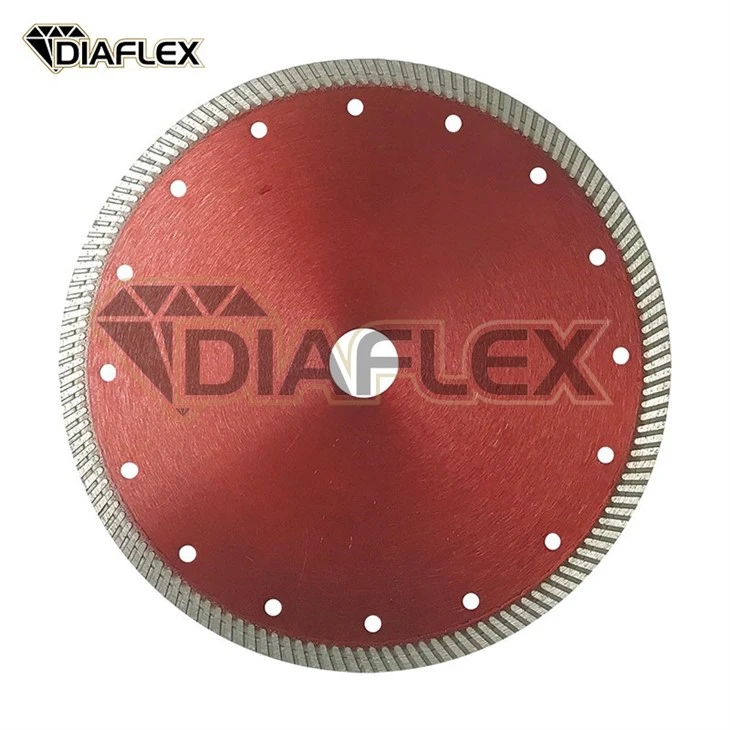
For tile cutting, a minimum blade diameter of 4-1/2 inches to 7 inches is typically recommended. These smaller diameter blades are suitable for handheld tile saws and angle grinders and can provide a precise and clean cut. Diamond Cutting Blade
Concrete Cutting
When cutting concrete, a minimum blade diameter of 12 inches to 14 inches is generally recommended. These larger diameter blades are suitable for stationary concrete saws and can provide the necessary cutting power and depth of cut. Cold Pressed Vertical Segmented Turbo Blade
Angle Grinder Applications
For angle grinder applications, a minimum blade diameter of 4-1/2 inches to 9 inches is typically used. These smaller diameter blades are lightweight and easy to handle, making them ideal for handheld angle grinders. Diamond Blade for Angle Grinder
Importance of Choosing the Right Diameter
Choosing the right diameter of a diamond saw blade is crucial for achieving optimal cutting performance and ensuring safety. Using a blade with a diameter that is too small for the application can result in poor cutting performance, increased wear on the blade, and potential damage to the cutting equipment. On the other hand, using a blade with a diameter that is too large can be dangerous and may cause the blade to bind or kick back.
In addition to performance and safety, choosing the right diameter can also affect the cost of the cutting operation. A larger diameter blade may be more expensive than a smaller diameter blade, but it can also provide a faster cutting speed and a longer lifespan, resulting in lower overall costs in the long run.
Conclusion
In conclusion, the minimum diameter of a diamond saw blade is determined by several factors, including the type of material being cut, the cutting equipment, the desired depth of cut, and the blade's design and construction. Choosing the right diameter is crucial for achieving optimal cutting performance, ensuring safety, and minimizing costs.
As a supplier of diamond saw blades, I understand the importance of providing our customers with the right blade for their specific needs. We offer a wide range of diamond saw blades in various sizes, shapes, and configurations to suit different applications. Whether you're cutting tile, concrete, or any other hard material, we have the blade that's right for you.
If you have any questions or need assistance in choosing the right diamond saw blade for your project, please don't hesitate to contact us. Our team of experts is always ready to help you find the best solution for your cutting needs. We look forward to the opportunity to work with you and provide you with high-quality diamond saw blades that deliver exceptional performance and durability.

References
- "Diamond Saw Blades: A Guide to Selection and Use." Construction Equipment Guide.
- "Understanding Diamond Saw Blades." The Concrete Network.
- "Choosing the Right Diamond Saw Blade." Power Tool Institute.