

Can a concrete grinding stone be used on concrete floors with metallic aggregates?
May 28, 2025
Leave a message
Hey there! As a supplier of concrete grinding stones, I often get asked a bunch of questions about using our products. One question that pops up quite a bit is, "Can a concrete grinding stone be used on concrete floors with metallic aggregates?" Well, let's dive right into this topic and break it down.
First off, what are metallic aggregates in concrete floors? Metallic aggregates are basically small particles of metal that are added to the concrete mix during the construction of the floor. These aggregates can serve different purposes. Sometimes, they're used to enhance the floor's appearance, giving it a unique, shiny look. Other times, they're added to improve the floor's strength and durability. Common metals used as aggregates include iron, steel, and aluminum.
Now, onto the main question: Can our concrete grinding stones work on these floors? The short answer is yes, but there are some things you need to keep in mind.
When it comes to grinding concrete floors with metallic aggregates, the type of grinding stone you choose is super important. Different grinding stones have different characteristics, and not all of them are suitable for floors with metallic aggregates.
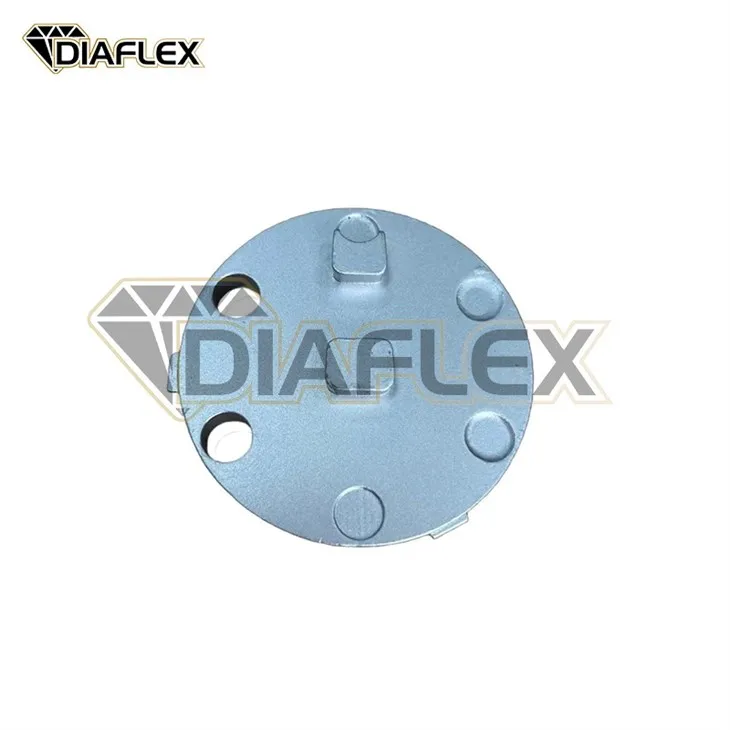
Let's talk about the STI Grinding Plate. This is one of our top - selling products, and it's actually a great option for concrete floors with metallic aggregates. The STI Grinding Plate is designed with high - quality diamonds that can handle the tough job of grinding through both the concrete and the metallic particles. Its unique design allows for efficient material removal, which means you can get the job done faster. The diamonds on the plate are arranged in a way that ensures even grinding, so you'll end up with a smooth and consistent finish on the floor.
Another option is the Trapezoid Grinding Plate. This plate has a trapezoidal shape, which gives it some distinct advantages. The shape allows for better contact with the floor surface, especially when dealing with uneven areas that might be caused by the metallic aggregates. The Trapezoid Grinding Plate is also very durable, and it can withstand the wear and tear that comes with grinding concrete with metallic inclusions. It's great for both large - scale commercial projects and smaller residential jobs.
And then there are the Floor Grinder Shoes. These shoes are an essential part of the grinding process. They help to protect the floor grinder and ensure that the grinding stones are properly aligned and functioning. When using them on floors with metallic aggregates, the Floor Grinder Shoes can help to distribute the pressure evenly, which reduces the risk of uneven grinding and damage to the floor.
But using a concrete grinding stone on floors with metallic aggregates isn't just about choosing the right tool. There are also some operational tips you should follow.
Firstly, you need to start with a lower grinding pressure. Metallic aggregates can be harder than regular concrete, so if you start with too much pressure, you might damage the grinding stone or create uneven marks on the floor. Gradually increase the pressure as you go along, based on how the stone is performing and the condition of the floor.
Secondly, keep the grinding stone clean. As you grind through the concrete and the metallic aggregates, debris can build up on the stone. This can reduce its efficiency and cause it to wear out faster. You can use a brush or a compressed air gun to clean the stone periodically during the grinding process.

Thirdly, make sure you have the right speed settings on your floor grinder. Different grinding stones work best at different speeds, and when dealing with metallic aggregates, you need to find the sweet spot. A speed that's too slow might not be effective in grinding through the aggregates, while a speed that's too fast can cause overheating and damage to the stone.
There are also some benefits to using a concrete grinding stone on floors with metallic aggregates. For one, it can help to expose the metallic particles, which can enhance the floor's aesthetic appeal. The grinding process can give the floor a polished look, making it more attractive in commercial spaces like showrooms or in high - end residential areas.
In addition, grinding the floor can improve its surface smoothness. This is important for both safety and functionality. A smooth floor is less likely to cause tripping hazards, and it can also be easier to clean and maintain.
However, there are some challenges as well. As I mentioned earlier, the metallic aggregates can be harder to grind through, which means the grinding process might take longer. You also need to be extra careful to avoid damaging the floor. If the grinding is not done properly, it can cause scratches or other marks on the floor, which can be difficult to fix.
In conclusion, a concrete grinding stone can definitely be used on concrete floors with metallic aggregates, but you need to choose the right tool and follow the proper procedures. Our STI Grinding Plate, Trapezoid Grinding Plate, and Floor Grinder Shoes are all great options for this type of job.
If you're in the market for high - quality concrete grinding stones and related tools, we're here to help. Whether you're a professional contractor working on a big project or a DIY enthusiast looking to spruce up your home floor, we've got the products you need. Get in touch with us to discuss your specific requirements and let's start a conversation about how we can provide the best solutions for your concrete grinding needs.
References
- General knowledge about concrete grinding and metallic aggregates in the construction industry.
- Product specifications and research on STI Grinding Plate, Trapezoid Grinding Plate, and Floor Grinder Shoes.