

Can a concrete grinding disc be used on concrete with a high aggregate content?
May 16, 2025
Leave a message
Concrete with a high aggregate content presents unique challenges and opportunities when it comes to surface preparation and finishing. As a leading supplier of concrete grinding discs, we often receive inquiries about the suitability of our products for use on such concrete. In this blog post, we'll explore whether a concrete grinding disc can be effectively used on concrete with a high aggregate content, considering factors such as aggregate type, hardness, and the specific requirements of the grinding task.
Understanding High Aggregate Content Concrete
Concrete is a composite material composed of cement, water, and aggregates, which can include gravel, sand, crushed stone, or recycled materials. The aggregate content in concrete can vary widely, and high aggregate content concrete typically contains a larger proportion of aggregates relative to cement paste. This can result in a harder, more abrasive surface that requires specialized grinding techniques and tools.
The type of aggregate used in concrete can also have a significant impact on its properties and grindability. For example, granite aggregates are known for their hardness and durability, while limestone aggregates are relatively softer and more porous. Understanding the characteristics of the aggregate is essential for selecting the right grinding disc and achieving optimal results.
Factors Affecting the Use of Concrete Grinding Discs on High Aggregate Content Concrete
Several factors need to be considered when determining whether a concrete grinding disc can be used on concrete with a high aggregate content:
Aggregate Hardness
Hard aggregates, such as granite or quartz, can be particularly challenging to grind due to their high abrasion resistance. Using a grinding disc with a high diamond concentration and a hard bond matrix is often necessary to effectively cut through these materials. Our Standard Diamond Grinding Wheels are designed with high-quality diamonds and a durable bond to handle the demands of grinding hard aggregates.
Aggregate Size and Shape
The size and shape of the aggregates can also affect the grinding process. Larger aggregates may require a coarser grit grinding disc to break them down, while smaller aggregates may be better suited to a finer grit disc for a smoother finish. Additionally, irregularly shaped aggregates can cause uneven wear on the grinding disc, leading to reduced performance and a shorter lifespan.
Concrete Density
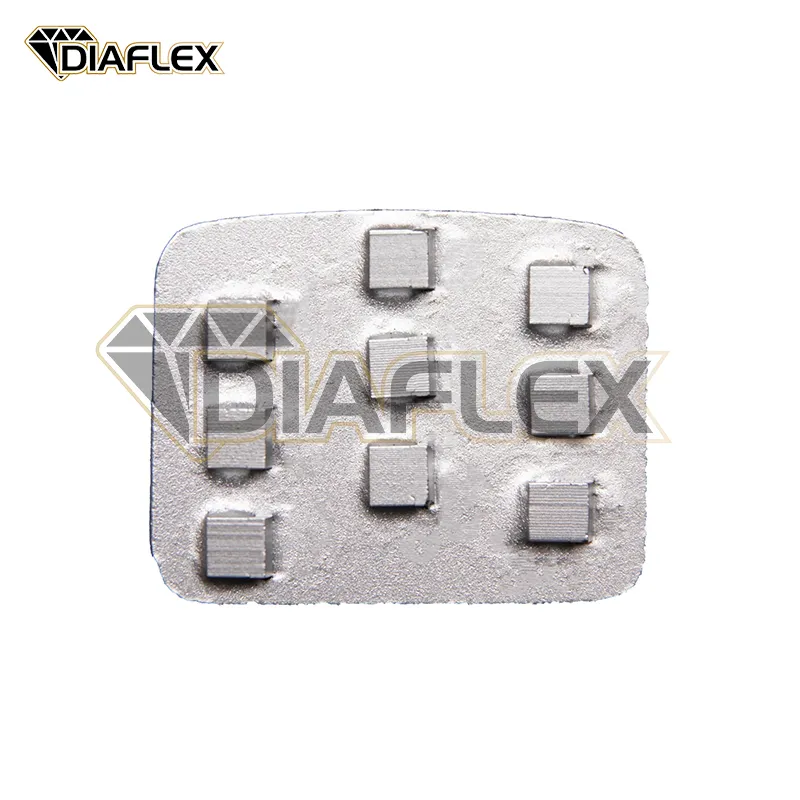
High aggregate content concrete is often denser and more compact than standard concrete, which can make it more difficult to grind. A grinding disc with a high cutting efficiency and a strong bond is essential for removing material quickly and efficiently from dense concrete surfaces. Our Diamond Floor Grinding Disc is engineered to provide excellent cutting performance on dense, high aggregate content concrete.

Grinding Task Requirements
The specific requirements of the grinding task, such as the desired finish, the amount of material to be removed, and the surface area to be covered, will also influence the choice of grinding disc. For example, if a smooth, polished finish is required, a finer grit disc may be necessary, while a coarser grit disc may be more suitable for rough grinding or material removal.
Choosing the Right Concrete Grinding Disc for High Aggregate Content Concrete
Based on the factors discussed above, here are some recommendations for choosing the right concrete grinding disc for high aggregate content concrete:
Diamond Grit Size
For initial rough grinding or material removal on high aggregate content concrete, a coarser grit diamond disc, such as 20 - 40 grit, is typically recommended. This will help to break down the aggregates and remove any surface irregularities quickly. As the grinding progresses and a smoother finish is desired, finer grit discs, such as 80 - 120 grit, can be used for intermediate grinding, followed by even finer grit discs, such as 200 - 400 grit, for final polishing.
Bond Hardness
The bond hardness of the grinding disc refers to the strength of the material that holds the diamonds in place. A harder bond is generally more suitable for grinding hard aggregates, as it will prevent the diamonds from being pulled out prematurely. However, a harder bond may also result in a slower cutting speed and increased heat generation. Our S Segment Cup Wheel is available in a range of bond hardnesses to suit different aggregate types and grinding applications.
Disc Design
The design of the grinding disc can also affect its performance on high aggregate content concrete. For example, a segmented or turbo design can provide better water flow and heat dissipation, reducing the risk of overheating and extending the life of the disc. Additionally, a disc with a larger diameter may be more effective for grinding large surface areas, while a smaller diameter disc may be more maneuverable in tight spaces.
Tips for Grinding High Aggregate Content Concrete
In addition to choosing the right grinding disc, here are some tips for achieving optimal results when grinding high aggregate content concrete:

Use Proper Equipment
Make sure to use a high-quality concrete grinder that is suitable for the size and type of grinding task. A grinder with a variable speed control can be particularly useful for adjusting the grinding speed to match the hardness of the concrete and the type of grinding disc being used.
Apply Adequate Pressure
Applying too much pressure can cause the grinding disc to wear out quickly and may also result in uneven grinding. On the other hand, applying too little pressure may not be effective in removing material. Use a moderate amount of pressure and let the grinding disc do the work.
Keep the Surface Wet
Grinding concrete generates a lot of heat, which can damage the grinding disc and the concrete surface. Keeping the surface wet during the grinding process helps to cool the disc and prevent overheating. It also helps to reduce dust and improve the visibility of the grinding area.
Inspect the Grinding Disc Regularly
Regularly inspect the grinding disc for signs of wear, damage, or clogging. Replace the disc if it is worn beyond its recommended limit or if it is not performing as expected.
Conclusion
In conclusion, a concrete grinding disc can be effectively used on concrete with a high aggregate content, provided that the right disc is selected and the proper grinding techniques are employed. By considering factors such as aggregate hardness, size, and shape, as well as the specific requirements of the grinding task, you can choose the most suitable grinding disc for your application and achieve optimal results.
As a leading supplier of concrete grinding discs, we offer a wide range of products to meet the diverse needs of our customers. Whether you're working on a small residential project or a large commercial development, our Standard Diamond Grinding Wheels, Diamond Floor Grinding Disc, and S Segment Cup Wheel are designed to provide superior performance and durability.
If you have any questions about choosing the right concrete grinding disc for your project or would like to discuss your specific requirements, please don't hesitate to contact us. Our team of experts is here to help you find the best solution for your needs and ensure the success of your project.
References
- Concrete Construction Handbook, Portland Cement Association.
- Diamond Tools for Concrete Grinding and Polishing, The Concrete Society.
- Best Practices for Grinding High Aggregate Content Concrete, International Concrete Repair Institute.